
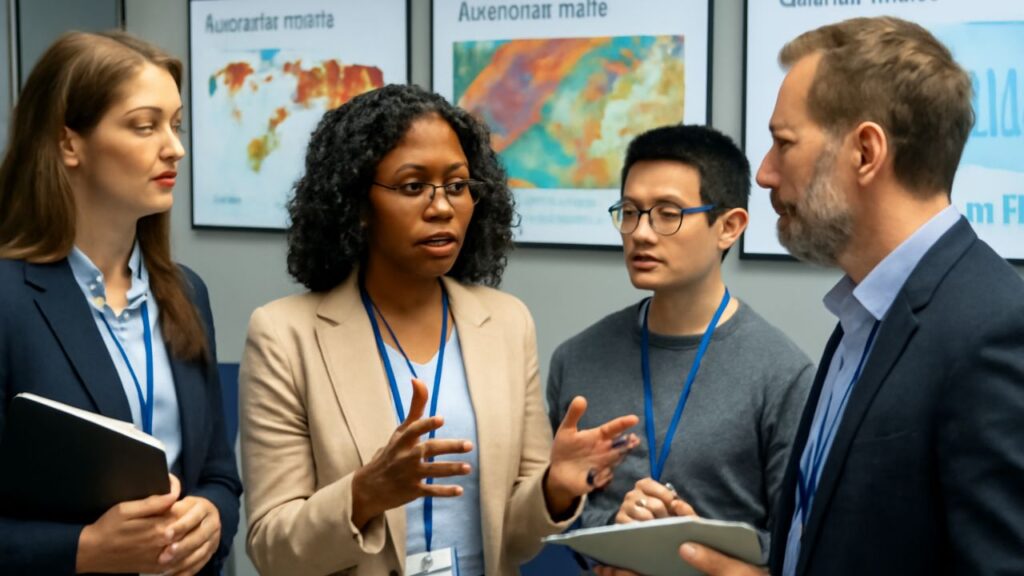
DEU-ISGR-23 – The DEU-ISGR-23 conference has emerged as a landmark platform in advancing discussions on geoscience, sustainability, and the growing challenges of climate risk. Scholars, researchers, and industry experts gathered to present studies that not only expanded academic knowledge but also proposed practical solutions to some of the world’s most pressing environmental issues. With sessions covering topics from climate modeling and geological hazard mapping to renewable energy integration and disaster preparedness, the conference highlighted how interdisciplinary research is driving real-world change. Many papers emphasized the urgent need to adapt policies and infrastructure in response to shifting global weather patterns, rising sea levels, and increasing natural disasters. By bringing together global voices, DEU-ISGR-23 has set a precedent for collaborative action, ensuring that science and policy align to address threats to ecosystems, communities, and economies worldwide. This research spotlight showcases why the event is being recognized as a vital milestone in geoscience and climate studies.
Innovations in Climate Modeling and Risk Assessment
One of the most celebrated areas of research presented at DEU-ISGR-23 revolved around advances in climate modeling and the ways these models are now being used to improve risk assessment. Researchers demonstrated how machine learning and AI are transforming the ability to predict extreme weather events with greater accuracy. According to findings published by the NASA Climate Division, integrating satellite data with advanced algorithms allows scientists to create localized forecasts that can better protect vulnerable populations. Several teams presented case studies from coastal regions, showing how predictive modeling is enabling governments to pre-plan evacuation strategies and allocate resources more effectively. The ability to combine geological insights with atmospheric science is becoming a cornerstone of sustainable development. At the conference, experts highlighted how these predictive tools are being tested in Asia and Africa, where communities often face recurring floods and droughts, making early warning systems a matter of survival.
Geoscience Breakthroughs in Earth Systems and Sustainability
Another major theme of DEU-ISGR-23 was the role of geoscience in creating sustainable pathways for development. Cutting-edge research revealed how studying Earth systems can lead to better strategies for natural resource management, particularly in regions where overexploitation threatens biodiversity and human livelihoods. Findings presented in collaboration with organizations like the United States Geological Survey (USGS) demonstrated how geological mapping can support renewable energy projects such as geothermal plants and offshore wind farms. The conference also spotlighted projects addressing soil degradation and groundwater depletion, showcasing how science-based interventions are restoring ecosystems and improving agricultural resilience. With global demand for critical minerals on the rise, researchers also discussed sustainable mining practices and their role in the energy transition. These breakthroughs underscore the idea that sustainability is not just an environmental priority but an economic and social one, demanding science-led innovation at every level of society.
Disaster Preparedness and Community Resilience
A powerful component of DEU-ISGR-23 was the focus on disaster preparedness and how communities can build resilience against climate-induced hazards. Experts emphasized the importance of local knowledge systems, combined with modern geoscience tools, in mitigating disaster impacts. Reports from the Intergovernmental Panel on Climate Change (IPCC) were frequently cited, pointing to the increased intensity of storms, wildfires, and floods over the past two decades. Presenters showcased community-driven projects in South Asia and Africa where participatory mapping and grassroots education have led to remarkable improvements in safety and preparedness. Another significant takeaway was the role of urban planning in resilience, with case studies highlighting how green infrastructure and climate-adaptive designs can reduce risks in densely populated areas. By fostering collaboration between policymakers, scientists, and communities, the event made it clear that resilience is not just about survival but about creating a foundation for sustainable growth.
Future Directions in Global Collaboration and Policy
The closing sessions of DEU-ISGR-23 emphasized the importance of global collaboration and evidence-based policy in addressing climate risk. Experts agreed that while scientific advancements are crucial, they must be translated into practical measures adopted by governments and international agencies. Organizations like the United Nations Framework Convention on Climate Change (UNFCCC) are already integrating scientific findings into global climate agreements, but researchers stressed that more direct involvement is needed at the regional and local levels. Panel discussions highlighted the role of academic partnerships in ensuring that knowledge exchange does not remain siloed but becomes a shared resource across borders. The future of geoscience and climate risk management lies in combining technological innovations with equitable policies that prioritize vulnerable populations. DEU-ISGR-23 concluded with a call to action: that research must not remain in journals and conferences, but must drive the urgent transformations required for a sustainable and resilient world.
