
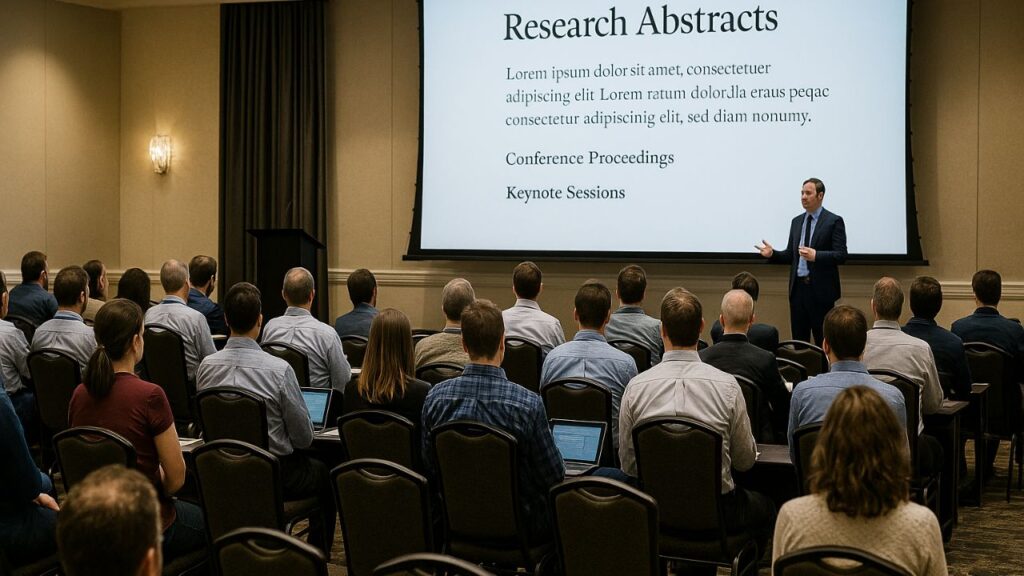
Conference Proceedings – The 2023 International Symposium on Geosciences, Risk, and Global Resilience (DEU-ISGR-23) offered a dynamic platform for knowledge exchange, bringing together researchers, policymakers, and practitioners to address pressing global challenges. The event emphasized collaborative exploration of environmental risks, resilience frameworks, and scientific innovation. Participants engaged with diverse perspectives across disciplines, focusing on strategies for sustainable development, climate adaptation, and disaster preparedness. A highlight of the symposium was its comprehensive set of conference proceedings, research abstracts, and keynote sessions that documented groundbreaking studies, policy dialogues, and practical insights. These contributions underscored the importance of integrating science and policy to address complex global issues such as climate change, resource management, and risk reduction. The availability of these materials ensures that the symposium’s impact extends beyond the event, allowing academics, students, and professionals worldwide to benefit from its findings. Such resources serve as valuable references for future research and policymaking in the field of Earth sciences and global resilience.

Conference Proceedings: A Repository of Knowledge
The conference proceedings from DEU-ISGR-23 represent a comprehensive record of the scholarly contributions made during the event. These documents captured in-depth research studies, case analyses, and theoretical frameworks aimed at understanding Earth systems and global risks. Each paper highlighted unique methodologies, ranging from climate modeling to disaster risk assessments, and addressed real-world challenges that demand urgent attention. Scholars utilized diverse tools such as geospatial analysis and statistical models to examine issues like coastal vulnerability, urban resilience, and sustainable energy transitions. Importantly, these proceedings serve not only as an academic archive but also as actionable resources for decision-makers seeking evidence-based strategies. By linking research findings to policy frameworks like the United Nations’ Sustainable Development Goals, the proceedings emphasized the need for science-driven policymaking. For students and emerging researchers, the proceedings act as a foundation for further inquiry, encouraging cross-disciplinary exploration of pressing global resilience challenges.
Research Abstracts: Showcasing Innovation and Diversity
The research abstracts compiled during the 2023 symposium offered an overview of cutting-edge studies and innovative ideas presented by global participants. These abstracts summarized essential aspects of projects spanning fields such as environmental monitoring, hydrology, risk governance, and sustainable urban planning. Many abstracts reflected collaborative projects that brought together scientists from different continents, underscoring the international nature of the event. This diversity enriched discussions and encouraged comparative analyses across different regional contexts. By providing a concise yet comprehensive snapshot of ongoing research, the abstracts helped identify emerging trends and areas requiring deeper exploration. For example, several contributions examined climate-induced migration and the socio-economic vulnerabilities of affected populations, linking scientific research with social implications. To strengthen credibility and accessibility, abstracts referenced globally recognized resources, such as the Intergovernmental Panel on Climate Change (IPCC), connecting symposium discussions to authoritative international assessments.

Keynote Sessions: Inspiring Thought Leadership
The keynote sessions at DEU-ISGR-23 featured distinguished experts and thought leaders who addressed the intersection of science, policy, and societal needs. These sessions highlighted the urgency of collective action to tackle issues such as global warming, disaster risk reduction, and ecosystem preservation. Keynote speakers shared transformative insights into building resilience frameworks that align with global initiatives like the UN Framework Convention on Climate Change. Their presentations emphasized the integration of local knowledge with global strategies, offering a holistic approach to resilience. These sessions also inspired attendees to consider innovative partnerships between academia, governments, and civil society. The inclusion of practical examples, such as community-based disaster management projects and renewable energy adoption in vulnerable regions, provided actionable models for replication. Overall, the keynote sessions not only motivated participants but also reinforced the importance of embedding scientific expertise into global policy dialogues and sustainable development planning.

Building Future Pathways Through Collaboration
Beyond its academic contributions, the 2023 symposium fostered a spirit of collaboration that is essential for addressing global risks. The event encouraged interdisciplinary dialogue, enabling participants from fields as diverse as geology, sociology, engineering, and public policy to share perspectives. This collaborative ethos created opportunities for future joint research projects, capacity-building initiatives, and international partnerships. Importantly, the symposium highlighted the role of education and training in shaping future leaders capable of navigating complex risk environments. By linking academic findings to practical applications, DEU-ISGR-23 ensured that its legacy extends to both classrooms and policy arenas. The emphasis on inclusivity—bringing voices from developing regions alongside global experts—reinforced the commitment to equitable knowledge-sharing. As the global community continues to grapple with escalating risks, the symposium’s outcomes underline the value of sustained dialogue and partnership. Access to its proceedings, abstracts, and keynote materials empowers researchers and practitioners worldwide to co-create solutions for a more resilient future.

