
DEU-ISGR-23 Matters – Why DEU-ISGR-23 Matters – Promoting Global Collaboration in Earth Sciences and Sustainability Studies is more than just a conference; it is a platform that unites researchers, policymakers, and professionals committed to solving pressing global challenges. The event focuses on interdisciplinary exchange, bringing together experts in geosciences, climate studies, and sustainability to address issues such as climate change, resource management, and disaster resilience. By offering a global stage for the sharing of knowledge and innovative solutions, DEU-ISGR-23 plays a critical role in advancing academic research and practical applications that directly impact societies. In a world where environmental concerns are intertwined with economic and social development, this conference highlights the urgent need for international cooperation. Initiatives like the Intergovernmental Panel on Climate Change (IPCC) and the United Nations Sustainable Development Goals (SDGs) resonate with the mission of DEU-ISGR-23, reinforcing how collaborative research and shared best practices can lead to impactful global strategies.
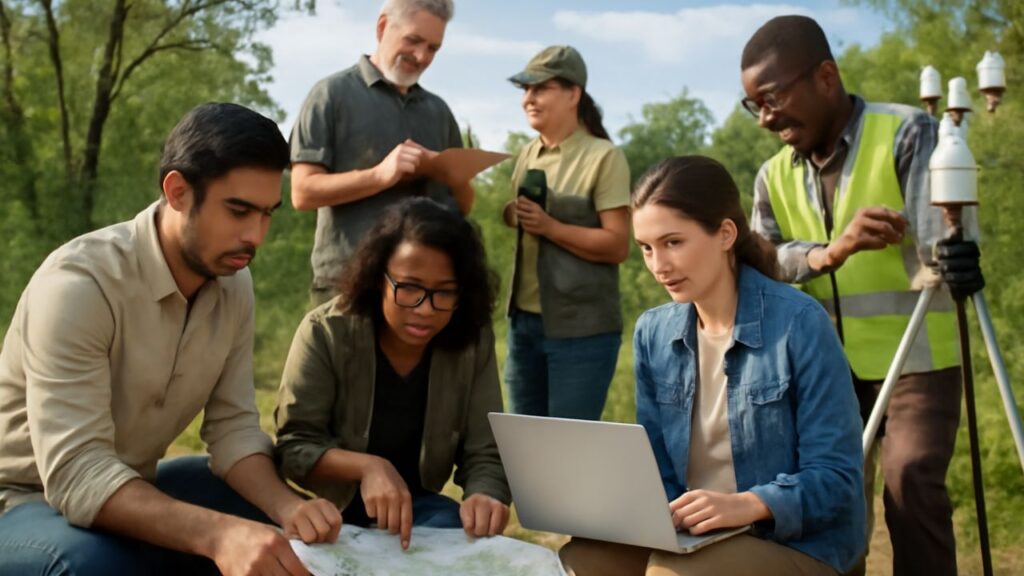
 Meet the Researchers Behind the Talks – Profiles of DEU-ISGR-23 Presenters and Contributors
Strengthening International Research Networks
At the heart of DEU-ISGR-23 lies its mission to strengthen international research networks that facilitate long-term collaboration among scientists and institutions. The exchange of ideas and research findings in geosciences and sustainability studies becomes even more impactful when supported by global partnerships. Such collaborations not only promote innovation but also ensure that research outputs are adaptable across different contexts. For example, initiatives like the International Geoscience Programme (UNESCO IGCP) demonstrate the power of collective scientific effort in addressing geological and environmental challenges worldwide. DEU-ISGR-23 provides a similar platform, ensuring that young researchers and seasoned professionals alike can contribute to a global knowledge ecosystem. Through these interactions, participants develop skills, form partnerships, and align their work with international sustainability agendas, thereby fostering a truly global community of change-makers.
 Panel Discussions, Technical Sessions, and Workshops – Full Coverage of the DEU-ISGR-23 Schedule
Driving Climate Action and Sustainability Goals
Climate change and sustainability remain central to global policy and research discussions, and DEU-ISGR-23 contributes to these efforts by promoting research that aligns with global climate action. By creating space for dialogue on renewable energy, ecosystem protection, and disaster preparedness, the conference helps translate academic insights into actionable strategies. Partnerships modeled on platforms like the United Nations Framework Convention on Climate Change (UNFCCC) show the importance of forums where science informs policy. DEU-ISGR-23 serves this purpose by encouraging interdisciplinary collaboration that connects geoscientific research with sustainability studies, ensuring that solutions are both practical and scientifically grounded. This alignment with international efforts is vital for building climate resilience, promoting clean technologies, and achieving long-term sustainability objectives that benefit all communities across the globe.

Empowering Early-Career Researchers and Innovators
One of the most significant aspects of DEU-ISGR-23 is its focus on empowering early-career researchers who bring fresh perspectives and innovative ideas. By giving them the opportunity to present their work and connect with global experts, the event helps foster the next generation of leaders in earth sciences and sustainability. International organizations such as the International Science Council (ISC) emphasize the importance of nurturing young scientists to build resilient and inclusive research systems. Similarly, DEU-ISGR-23 provides young professionals with a platform to gain visibility, access mentorship, and form collaborations that can influence their career trajectories. These opportunities ensure that the conference not only addresses today’s challenges but also invests in the capacity of future researchers to tackle evolving global issues with innovation and resilience.
 Research Spotlight: Groundbreaking Studies Presented at DEU-ISGR-23 in Geoscience and Climate Risk
Shaping Policy and Societal Impact through Collaboration
Beyond academic contributions, DEU-ISGR-23 plays a pivotal role in shaping policies and influencing broader societal outcomes. By engaging with policymakers, NGOs, and institutions, the conference ensures that research findings are not confined to academic circles but inform decision-making at multiple levels. Such integration of science into policy frameworks mirrors global best practices, as seen in the European Environment Agency’s (EEA) efforts to link research with actionable strategies. DEU-ISGR-23 highlights how sustainable development requires active collaboration between scientists and governing bodies. This collaboration not only advances effective climate policies but also strengthens resilience in communities facing environmental risks. Ultimately, the conference demonstrates that when scientific knowledge is shared globally and aligned with policymaking, it drives real-world solutions for sustainability, making DEU-ISGR-23 a cornerstone event in global earth sciences and sustainability studies.
