
DEU-ISGR-23 Recap – A Landmark International Research Event Hosted by Dokuz Eylül University brought together leading minds from across the world to share, debate, and collaborate on pressing issues in earth sciences, sustainability, and global research. The symposium was designed as a vibrant platform where scholars, students, and policy experts could exchange groundbreaking ideas and findings that impact both academia and society. Hosted at Dokuz Eylül University in İzmir, Turkey, the event served as a significant milestone in advancing interdisciplinary dialogue. Participants highlighted topics ranging from environmental sustainability to advanced geoscience methods, and the symposium promoted a shared vision of global collaboration in solving critical challenges. The conference also provided opportunities for networking, enabling young researchers to present their work, gain recognition, and interact with established professionals. With an emphasis on real-world impact and scientific rigor, DEU-ISGR-23 set the stage for strengthening international cooperation and underlined the role of universities in shaping sustainable futures through research-driven insights.
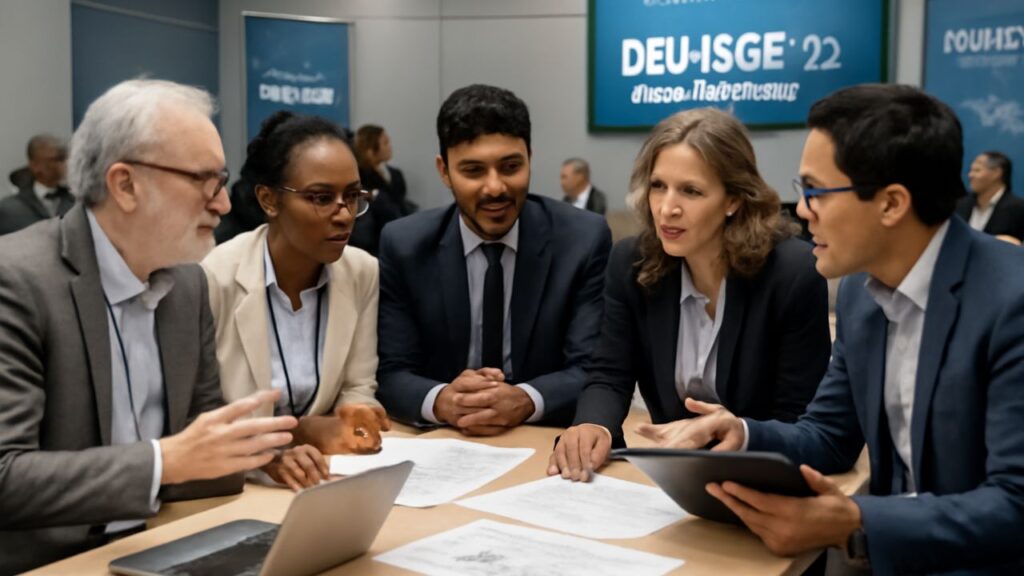

Highlights of Academic Collaboration at DEU-ISGR-23
Academic collaboration formed the backbone of DEU-ISGR-23, showcasing how global partnerships can create actionable solutions for today’s most pressing environmental and social issues. Researchers presented multidisciplinary projects that not only advanced theoretical knowledge but also offered practical frameworks for implementation. According to the United Nations Sustainable Development Goals, academia has a crucial role in addressing sustainability challenges, and the symposium aligned strongly with these objectives. Sessions included presentations on earthquake preparedness, climate change adaptation, and the intersection of policy with scientific innovation. By bringing experts from different regions together, the event emphasized the power of cross-border research and knowledge transfer. Moreover, student-led initiatives and poster sessions provided young academics with the chance to engage in meaningful dialogue, bridging the gap between emerging scholars and senior researchers. This academic synergy reflected the symposium’s mission to build a resilient and knowledge-driven global community.
 About DEU-ISGR-23: Bridging Academia, Innovation, and Policy Through Global Scientific Dialogue
International Recognition and Policy Impact
One of the defining features of DEU-ISGR-23 was its focus on linking research outcomes with policy frameworks. Discussions stressed that scientific insights must not remain within academic circles but instead inform real-world decision-making. Policymakers attending the event gained access to cutting-edge research that could influence sustainable development strategies both regionally and globally. For instance, contributions to environmental risk management echoed priorities set by the Intergovernmental Panel on Climate Change (IPCC), highlighting how academic input strengthens climate policies. Similarly, sessions dedicated to sustainable urban development and renewable energy offered solutions that align with international agreements such as the Paris Climate Accord. This integration of science and governance elevated DEU-ISGR-23 beyond a typical academic gathering, transforming it into a platform of actionable influence. The international recognition earned by the symposium reflects Dokuz Eylül University’s commitment to bridging the gap between scholarly work and policy applications that benefit global societies.
 Explore Multidisciplinary Contributions – From Environmental Policy to Earthquake Risk Assessment
Student Engagement and Emerging Researchers
Students played a pivotal role at DEU-ISGR-23, underscoring the event’s commitment to nurturing the next generation of scientists and thought leaders. Poster presentations, interactive discussions, and youth-centered sessions provided a stage for emerging researchers to present innovative approaches to sustainability and geoscience challenges. These sessions were designed not only as learning opportunities but also as networking platforms, where students could interact directly with international experts. The inclusion of awards for outstanding student contributions further motivated participants to excel in their research. This student-driven energy resonated with global educational priorities promoted by the UNESCO Education for Sustainable Development framework, which emphasizes empowering youth through quality education and research engagement. By spotlighting young scholars, DEU-ISGR-23 reinforced the idea that global collaboration must include diverse voices and innovative ideas from all levels of academia. Such engagement ensures continuity of scientific excellence and strengthens future research ecosystems.

Awards, Recognition, and Future Outlook
The conclusion of DEU-ISGR-23 was marked by an inspiring awards ceremony that celebrated academic excellence and innovative contributions. Awards were distributed to both established scholars and students, recognizing excellence in fields such as earthquake risk analysis, sustainable energy solutions, and global policy alignment. Beyond recognition, these awards symbolized the symposium’s core mission—to inspire collaboration and drive impactful change. Looking ahead, the success of DEU-ISGR-23 has set a strong precedent for future international gatherings hosted by Dokuz Eylül University. It highlighted the importance of building research communities that transcend national boundaries and work collectively on urgent challenges like climate change, resource management, and sustainable development. Events like these echo the global call for academic and societal alignment seen in initiatives led by organizations like the OECD in education and research collaboration. With this legacy, DEU-ISGR-23 stands as a landmark event, paving the way for new horizons in international research and policy-driven scientific dialogue.
