Disaster Science – DEU-ISGR-23 Brought Together Experts for a Collaborative Approach to Disaster Science brought a renewed focus on the urgent need to address disaster risks with collective knowledge and innovative strategies. The symposium emphasized how climate change, urban growth, and environmental degradation have intensified the frequency and severity of disasters worldwide. By convening a diverse group of scientists, policymakers, and community leaders, the event encouraged the sharing of best practices and evidence-based research that could translate into real-world solutions. Discussions were framed around resilience, adaptation, and the importance of engaging local communities alongside global institutions. Through keynote speeches and interactive panels, participants explored ways to strengthen data-driven decision-making, improve disaster preparedness, and enhance international cooperation. The event also highlighted the role of interdisciplinary approaches, blending insights from earth sciences, social sciences, and technology to create holistic strategies. Such a gathering not only advanced the field of disaster science but also demonstrated the transformative potential of collaborative learning and cross-border partnerships in reducing risks and saving lives.
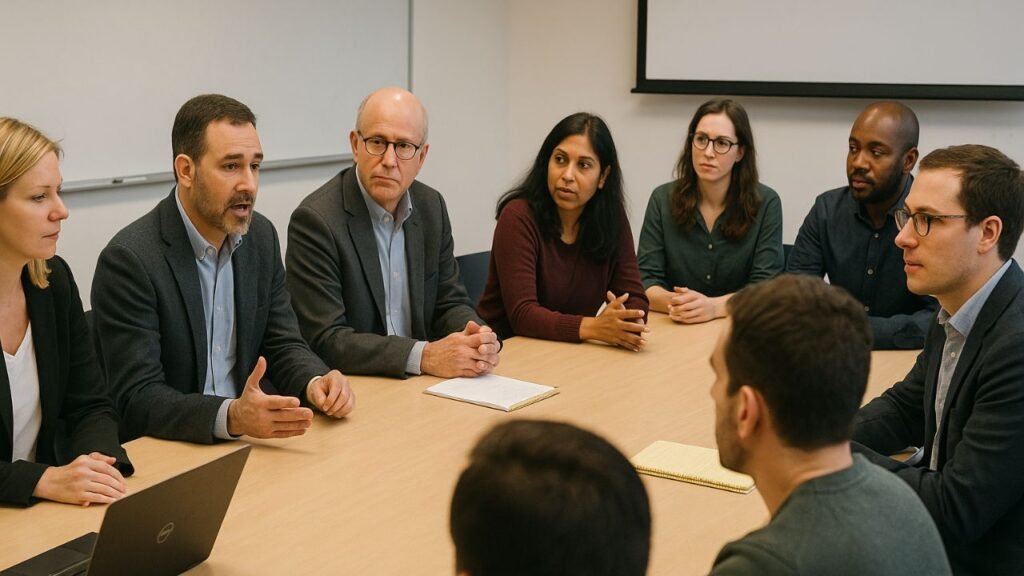

Building Global Networks for Disaster Risk Reduction
The DEU-ISGR-23 symposium underscored the importance of establishing strong international networks to effectively manage disaster risks. Experts noted that disasters do not respect borders, making collaboration between nations essential for timely response and recovery. Drawing from the priorities of the Sendai Framework for Disaster Risk Reduction, sessions highlighted how aligning policies, research, and technology can reduce vulnerabilities on a global scale. Case studies demonstrated how collaborative early-warning systems, regional data sharing, and coordinated emergency responses have saved countless lives. Participants emphasized that building networks is not only about governments and international agencies but also about empowering local communities, universities, and civil society organizations to play active roles. This integrated approach ensures that research outcomes are practical and inclusive, leading to resilience strategies that are both culturally appropriate and scientifically sound. The symposium positioned DEU-ISGR-23 as a bridge between global frameworks and community-led action, reinforcing its relevance in today’s interconnected world.

Integrating Technology and Science for Disaster Preparedness
Another major focus of DEU-ISGR-23 was the transformative role of technology in advancing disaster science. From satellite-based monitoring to artificial intelligence-driven predictive models, the symposium showcased innovations that can significantly improve disaster preparedness. Experts presented findings on how real-time data collection and geospatial mapping are helping authorities anticipate risks and respond more effectively. Tools like USGS earthquake monitoring systems and climate modeling software were discussed as examples of science directly contributing to disaster resilience. Participants stressed the importance of making these technologies accessible to vulnerable communities, particularly in developing countries, where disasters often have the most severe impacts. By combining advanced research with field applications, DEU-ISGR-23 highlighted a future where disaster response is not only reactive but proactive. These discussions emphasized that technology must be complemented by strong governance, community education, and inclusive planning, ensuring that scientific progress translates into safer societies for all.

Strengthening Community Resilience Through Education
Community resilience emerged as a central theme at DEU-ISGR-23, with participants emphasizing education as a key driver of preparedness. Experts argued that disaster management cannot succeed without informed and empowered citizens who understand risks and know how to act in emergencies. Programs inspired by initiatives such as Red Cross disaster preparedness training were highlighted as effective tools for enhancing grassroots resilience. The symposium showcased how schools, universities, and local organizations can integrate disaster education into curricula and public awareness campaigns. By embedding disaster preparedness into everyday learning, societies can cultivate a culture of resilience that persists across generations. The discussions also addressed the importance of tailoring educational content to local contexts, ensuring that communities receive practical knowledge relevant to their environment. DEU-ISGR-23 concluded that education is not just about disseminating information but about building trust, confidence, and collaboration among citizens to collectively face challenges posed by natural and human-made disasters.
Future Directions for Collaborative Disaster Science
Looking ahead, DEU-ISGR-23 participants outlined a roadmap for advancing collaborative disaster science. The symposium called for greater investment in interdisciplinary research, stronger partnerships between academic institutions, and more funding for innovative resilience projects. It also stressed the importance of amplifying the voices of marginalized groups, who often bear the greatest burden of disasters. Initiatives like the Intergovernmental Panel on Climate Change (IPCC) reports were cited as examples of how collective scientific efforts can influence policy and inspire global action. The symposium also highlighted the need for continued knowledge exchange through open-access platforms, peer-reviewed publications, and cross-border training programs. By fostering inclusivity and breaking down silos between disciplines, DEU-ISGR-23 demonstrated that collaborative disaster science is not just an academic pursuit but a vital tool for building safer futures. The event closed with a strong message: in an era of uncertainty, cooperation and shared responsibility are humanity’s strongest assets against disaster risks.