
Global Academic Collaboration – The urgency of climate change has pushed global academia to unite in unprecedented ways, creating a powerful network of collaboration that addresses science, resilience, and risk governance. At DEUISGR, we believe that climate challenges require not just local solutions, but coordinated global action. Scholars, researchers, and institutions from diverse regions are pooling resources, sharing data, and advancing innovative strategies to tackle one of the greatest challenges of our time. This collaboration allows for cross-disciplinary expertise, blending insights from climatology, economics, social sciences, and technology to design effective pathways for climate adaptation. Beyond research, academic partnerships play a pivotal role in guiding governments and communities on how to mitigate risks and prepare for future uncertainties. By bringing together thought leaders and young scholars, global academic collaboration not only accelerates climate science but also builds resilience in vulnerable societies, making knowledge a bridge between scientific discovery and real-world impact.

Strengthening Climate Science Through Shared Research
One of the most significant contributions of global collaboration is the sharing of climate data and joint research initiatives. Universities and research institutes across continents are working together to monitor patterns, model future risks, and explore adaptation strategies. Open-access climate databases provide crucial resources that support both advanced science and local action (source). By breaking down geographical and institutional barriers, this shared approach enhances accuracy in climate projections and ensures that solutions are inclusive and widely applicable. Collaborative publications and conferences further strengthen the collective knowledge base, making it possible to track global progress and identify urgent gaps. This global sharing of expertise ensures that the science behind climate change is not siloed but accessible, actionable, and impactful. Through joint research, academic institutions amplify their influence, shaping policies and guiding climate resilience strategies that extend far beyond national borders.

Resilience Building and Risk Governance
Climate resilience is not solely about adapting to rising temperatures or extreme weather—it is about building systems that withstand and recover from shocks. Academic collaboration enables the development of frameworks for disaster risk governance, ensuring that vulnerable communities are equipped with practical tools for resilience. Research collaborations are providing innovative approaches to sustainable agriculture, water management, and renewable energy that help societies cope with climate pressures (source). By integrating social sciences with environmental studies, universities are also contributing to governance models that balance human needs with environmental stewardship. These initiatives highlight the importance of partnerships between academia, policymakers, and communities in creating long-term resilience. Collaborative teaching and training programs further spread this knowledge, equipping the next generation of leaders with the skills required to manage climate-related risks effectively and ethically.

Global Networks Driving Academic Partnerships
The strength of academic collaboration lies in its networks—alliances of universities, research centers, and international organizations working towards common climate goals. Initiatives like the United Nations University and the Intergovernmental Panel on Climate Change bring together experts to evaluate evidence and shape strategies (source). Regional academic consortia also play a vital role, ensuring that research is context-specific while contributing to the global agenda. These networks support mobility programs, enabling students and scholars to engage in cross-border research and practical fieldwork. By fostering dialogue across cultures and disciplines, such collaborations break down barriers and encourage inclusive solutions that reflect global diversity. The interconnected nature of these networks ensures that knowledge flows freely, innovations are widely shared, and collective action is sustained.
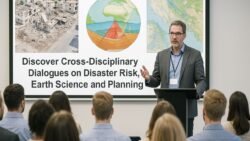
 DEU-ISGR-23 Symposium Bridged Science, Climate Risk, and Resilience Across Global Contexts
Preparing Future Generations for Climate Challenges
Education is at the heart of building long-term climate resilience. Academic collaboration extends into curriculum development, training, and capacity building for students and professionals worldwide. Universities are designing programs that integrate climate science with policy, governance, and technology, ensuring that graduates are prepared to lead in a rapidly changing world (source). Exchange programs and joint degrees provide students with global exposure and a deeper understanding of international climate challenges. Beyond formal education, workshops, webinars, and field-based learning opportunities connect learners directly with communities facing climate risks. This knowledge exchange nurtures a new generation of leaders who can bridge the gap between science and society. By investing in education and collaboration, global academia is not only addressing today’s climate crisis but also equipping future leaders to navigate tomorrow’s uncertainties with resilience and responsibility.