
Leading Global Symposia – The 2023 DEU-ISGR Summit has emerged as one of the most influential global platforms for sharing cutting-edge research, case studies, and actionable insights across disaster preparedness, scientific risk mapping, and resilience planning. Participants from multiple countries converged to exchange knowledge on emerging threats, innovative mitigation strategies, and the latest technological tools. By attending this summit, researchers, policymakers, and practitioners gain access to high-quality presentations, peer-reviewed papers, and comprehensive reports that are critical for informed decision-making. The summit emphasizes practical applications, enabling stakeholders to translate theoretical knowledge into real-world solutions. According to UNDRR – Disaster Risk Reduction, leveraging international collaboration and shared research significantly enhances disaster management effectiveness. Platforms like DEU-ISGR23 not only provide access to a wealth of academic and practical resources but also foster networking opportunities with global experts, creating a collaborative ecosystem for advancing knowledge, technology adoption, and policy formulation in resilience and risk reduction.
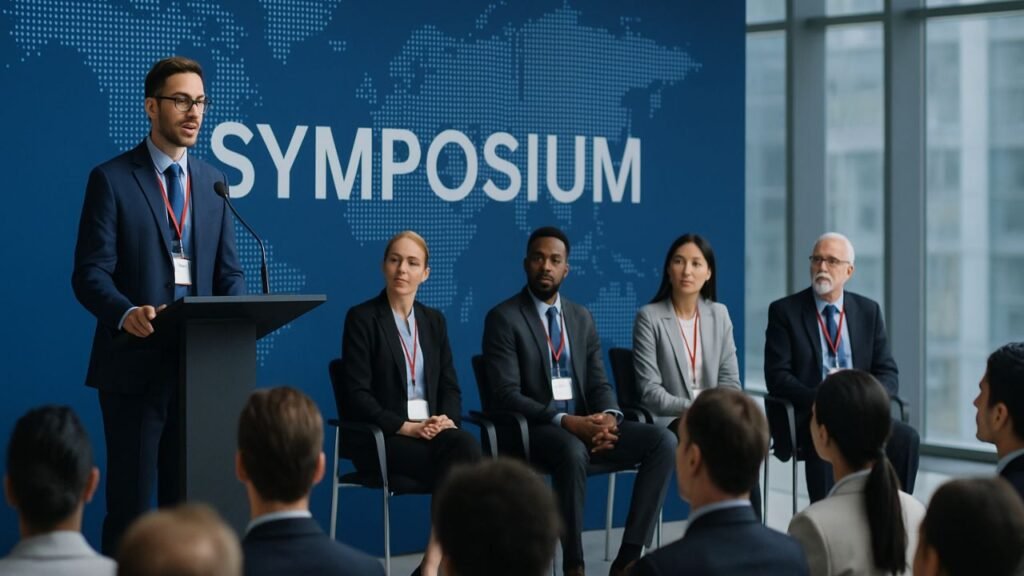

Presentations That Drive Knowledge Sharing
One of the most impactful elements of DEU-ISGR23 is its curated presentations, which cover a wide array of topics from climate resilience to disaster simulation models. Each session is designed to provide participants with actionable insights, backed by empirical research and case studies. Presenters include renowned academics, industry leaders, and governmental authorities who bring diverse perspectives to the discussion. According to ScienceDirect – Disaster Management Studies, knowledge sharing through presentations accelerates learning and enhances the application of complex methodologies. Attendees can explore new frameworks for hazard assessment, early warning systems, and community engagement strategies. These presentations not only provide theoretical grounding but also illustrate practical implementation, enabling organizations to adapt these lessons within their own operational contexts. By bridging research and practice, DEU-ISGR23 ensures that participants leave with a toolkit of actionable strategies for addressing contemporary challenges in disaster preparedness and resilience.

Case Studies Highlighting Real-World Applications
DEU-ISGR23 also emphasizes the importance of case studies that showcase real-world applications of scientific and technological innovations. These case studies offer detailed examinations of how different countries and organizations have successfully navigated crises, implemented early warning systems, and mitigated risks effectively. According to ResearchGate – Disaster Management Case Studies, learning from existing implementations enhances the decision-making process for future projects and allows organizations to avoid common pitfalls. By analyzing successes and failures in diverse contexts, participants gain a practical understanding of what works under specific conditions. Case studies at DEU-ISGR23 cover a variety of sectors including urban planning, public health, environmental management, and emergency response coordination. This hands-on learning approach equips attendees with the necessary tools to apply research insights to operational strategies, ultimately strengthening their organization’s resilience and preparedness capabilities.

Global Reports That Shape Policy and Strategy
A significant highlight of the 2023 DEU-ISGR Summit is the dissemination of global reports that inform policy, strategic planning, and operational frameworks for disaster risk management. These reports, prepared by international experts, present consolidated data, trend analysis, and predictive models essential for evidence-based decision-making. Reports from organizations such as PreventionWeb – Disaster Risk Reduction Reports emphasize the importance of integrating scientific research into national and regional policies. Attendees at DEU-ISGR23 gain exclusive access to these comprehensive resources, enabling them to benchmark their own programs and initiatives against global standards. By utilizing these reports, participants can identify gaps, optimize resource allocation, and develop targeted interventions that are both effective and sustainable. The global perspective offered by these reports ensures that strategies are not only locally relevant but also aligned with international best practices, strengthening overall disaster resilience.
 DEU-ISGR-23 Offered Critical Insights Into Disaster Preparedness and Scientific Risk Mapping
Networking and Collaboration Opportunities
Beyond knowledge dissemination, DEU-ISGR23 serves as a hub for networking and international collaboration. The summit facilitates dialogue between researchers, practitioners, policymakers, and private sector experts, fostering partnerships that extend beyond the event itself. According to Nature – The Importance of Scientific Collaboration, collaborative networks accelerate innovation, enhance resource sharing, and improve problem-solving capabilities. Participants can engage in workshops, roundtables, and interactive sessions that encourage the exchange of ideas, joint research projects, and cross-border collaborations. This collaborative approach ensures that solutions are holistic, incorporating multidisciplinary insights and innovative technologies. DEU-ISGR23 not only provides knowledge but also connects global actors in resilience, disaster management, and risk reduction, creating a lasting impact that strengthens international preparedness efforts and supports sustainable development goals.
Leveraging DEU-ISGR23 Resources for Research and Practice
For researchers and professionals seeking to advance their expertise, DEU-ISGR23 offers a rich repository of resources including session recordings, research papers, and technical manuals. Access to these materials allows participants to continue learning and applying best practices long after the summit concludes. According to Frontiers in Environmental Science – Leveraging Research Resources, continuous engagement with global research outputs enhances knowledge retention and practical application. Organizations and institutions can integrate insights from DEU-ISGR23 into training programs, policy frameworks, and operational plans, thereby improving resilience at community, national, and regional levels. By combining access to high-quality presentations, case studies, and global reports, the summit empowers stakeholders to make informed decisions, innovate solutions, and strengthen preparedness measures against evolving environmental and societal risks.
