
Sustainable Development – Learn from global experts who presented on climate, disaster risk, and sustainable development at DEUISGR23, a platform where research, policy, and practice converge to address some of the most pressing global challenges. The conference brought together thought leaders, scientists, policymakers, and practitioners from around the world to share knowledge and propose solutions that align with international frameworks. With a focus on climate resilience, disaster preparedness, and sustainable growth, the event highlighted the interconnected nature of environmental, social, and economic issues. According to the United Nations Climate Change, collaborative efforts are essential for mitigating the impact of global warming and building adaptive systems. DEUISGR23 created a unique space for dialogue, showcasing innovative research and real-world strategies aimed at reducing disaster risks while promoting sustainable development. By engaging with global experts, participants gained valuable insights that empower them to act locally while contributing to global sustainability goals.
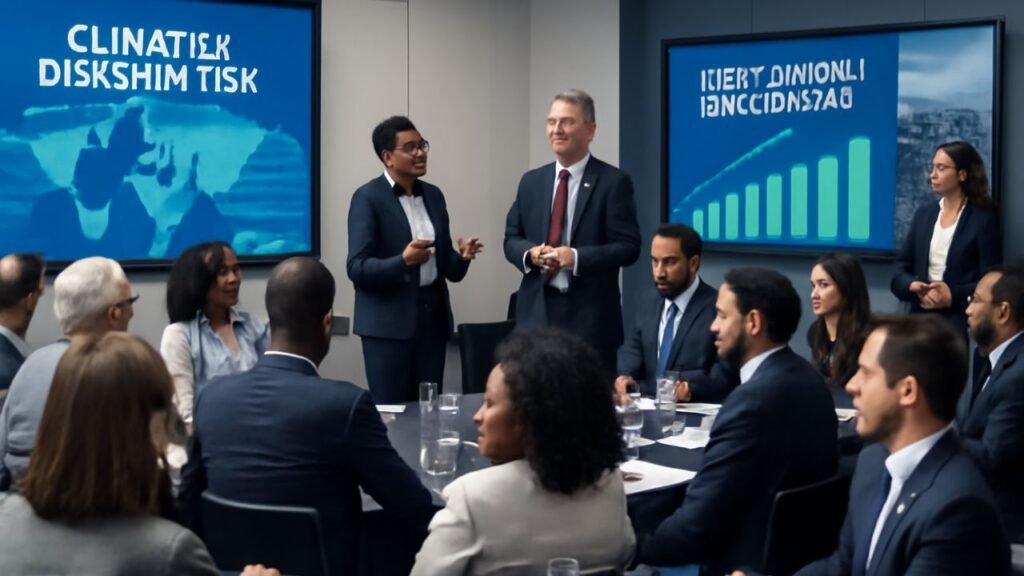
 Explore Groundbreaking Research From the 2023 ISGR Symposium on Earth Systems and Risk Resilience
Climate Change and Its Global Implications
Climate change was a central theme at DEUISGR23, with experts presenting on the latest scientific findings, adaptation strategies, and mitigation policies. Sessions addressed rising global temperatures, extreme weather events, and the socio-economic impacts of climate instability. Presenters emphasized the urgency of transitioning to renewable energy, reducing greenhouse gas emissions, and strengthening climate resilience in vulnerable communities. According to the Intergovernmental Panel on Climate Change (IPCC), limiting global warming to 1.5°C requires rapid, far-reaching changes across all sectors. DEUISGR23 reinforced these recommendations by exploring innovative solutions such as green technologies, sustainable urban planning, and climate-smart agriculture. The discussions underscored the need for coordinated international action while also highlighting the role of local adaptation measures. By focusing on practical strategies, the conference empowered participants to contribute to climate action agendas both regionally and globally.

Disaster Risk Reduction and Preparedness
Another key focus of DEUISGR23 was disaster risk reduction (DRR), highlighting the importance of proactive measures to minimize the impact of natural and human-induced hazards. Experts presented research on early warning systems, risk assessments, and community-based disaster management strategies. The sessions highlighted case studies from regions affected by floods, earthquakes, cyclones, and droughts, demonstrating how preparedness and resilience can save lives and reduce economic losses. According to the United Nations Office for Disaster Risk Reduction (UNDRR), effective DRR strategies can reduce disaster losses by up to 60% when integrated into national and local policies. DEUISGR23 sessions emphasized cross-sector collaboration, investment in resilient infrastructure, and public awareness campaigns. By learning from these best practices, participants gained tools to strengthen local disaster management capacities while contributing to global risk reduction frameworks like the Sendai Framework for Disaster Risk Reduction 2015–2030.

Sustainable Development Goals in Action
The integration of sustainable development was a unifying theme at DEUISGR23, linking climate and disaster resilience to broader social and economic goals. Experts explored how the United Nations Sustainable Development Goals (SDGs) provide a roadmap for addressing environmental challenges while promoting inclusive growth. Presentations covered topics such as renewable energy adoption, water resource management, poverty reduction, and gender equality in climate action. By aligning research and policy discussions with the SDGs, the conference emphasized the importance of holistic approaches that balance environmental protection with social equity and economic opportunity. Participants learned about innovative partnerships between governments, NGOs, and the private sector that are driving sustainable solutions globally. These case studies demonstrated how targeted interventions can create ripple effects, advancing multiple goals simultaneously and reinforcing the interconnected nature of sustainable development.

Building Knowledge Through Global Collaboration
A standout feature of DEUISGR23 was the collaborative spirit fostered through international dialogue and knowledge-sharing. Global experts emphasized that solutions to climate change, disaster risks, and sustainable development cannot be achieved in isolation—they require cross-border cooperation, capacity building, and knowledge exchange. According to the World Economic Forum, global collaboration is critical for addressing transnational challenges such as climate change and disaster risks. DEUISGR23 facilitated networking opportunities, joint research initiatives, and collaborative projects aimed at scaling solutions across regions. Participants were encouraged to leverage this global network to bring innovative ideas to their local contexts, ensuring that knowledge flows both ways—from global to local and vice versa. By fostering a sense of shared responsibility and mutual learning, the conference not only disseminated information but also built long-lasting partnerships that will continue to drive progress in climate resilience and sustainable development.

