
Welcome to DEU-ISGR-23 – an international platform where geoscientists, sustainability scholars, and policy innovators convene to translate research into real-world solutions. Hosted at deuisgr23.org, the symposium aligns its themes with the global roadmap of the United Nations Sustainable Development Goals, advancing sessions that connect climate risk, resilient infrastructure, water security, and ethical data practices. Our program spotlights evidence synthesized in the IPCC Sixth Assessment Report (AR6) and its 2023 Synthesis Report, ensuring every dialogue is anchored in the latest climate science. From hands-on demonstrations built on Copernicus Earth observation streams to hazard modeling insights from the USGS Earthquake Hazards Program, DEU-ISGR-23 welcomes researchers, students, and practitioners seeking rigorous exchange and practical impact. We champion open science—embracing the FAIR data principles and the benefits of open research access—so that knowledge generated in our community accelerates action for people and planet.

Our Mission: Bridging Geoscience and Sustainability for Societal Impact
DEU-ISGR-23 is designed as a bridge between fundamental Earth processes and the policy and industry decisions that shape communities. Guided by the UN 2030 Agenda, our sessions unpack interconnected goals—clean energy, climate adaptation, disaster risk reduction, and nature-positive development—so attendees leave with frameworks they can apply locally. Keynotes and panels translate high-confidence findings from AR6 into planning tools for cities, utilities, and supply chains facing heat, flood, and drought extremes. Method workshops highlight data stewardship using the FAIR Guiding Principles, and dissemination strategies rooted in open access publishing to widen reach and uptake. With a focus on equity and evidence, the symposium invites civil society, SMEs, and public agencies to co-create actionable roadmaps that align geoscience with just, sustainable outcomes.
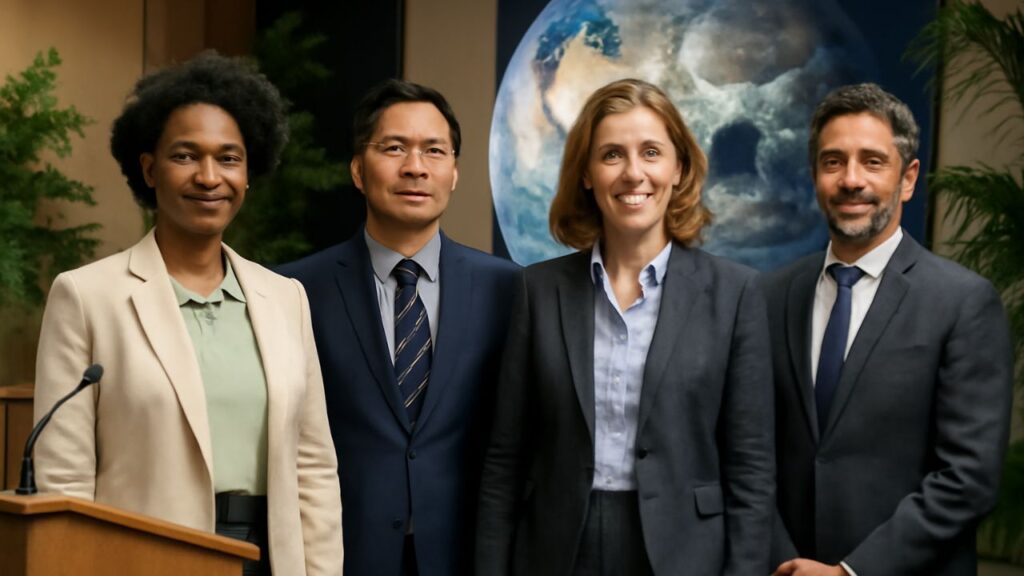
 Meet the Researchers Behind the Talks – Profiles of DEU-ISGR-23 Presenters and Contributors
Data-Driven Practice: Satellites, Models, and Standards That Power Decisions
Our technical tracks demonstrate how multi-sensor data and models become decision-ready information. Live labs showcase hazard and land-use analytics built on EU Copernicus services and rapid-attribution insights emphasized since AR6, alongside seismic risk workflows informed by the USGS EHP and its Decadal Science Strategy. Contributors share reproducible pipelines, metadata, and licensing, advancing FAIR and Open Science policy expectations. We also examine dissemination models—preprints, data journals, and repositories—that amplify visibility and citations for applied geoscience through open research. Whether you are mapping groundwater stress, quantifying coastal exposure, or designing resilient transport corridors, DEU-ISGR-23 offers practical, standards-aligned tools you can integrate into your next project or course.
 Panel Discussions, Technical Sessions, and Workshops – Full Coverage of the DEU-ISGR-23 Schedule
Professional Integrity and Inclusive Collaboration
Scientific credibility and safe, inclusive participation are non-negotiable at DEU-ISGR-23. We adopt community norms consistent with the AGU Scientific Integrity and Ethics Policy (see the full policy document), promoting respectful conduct, transparent authorship, and conflict-of-interest disclosure. Our open-science stance is aligned with global initiatives documented by the OECD Open Science portal, encouraging pre-registration where suitable, data/code sharing, and accessible communication. To broaden participation, we highlight open educational resources and encourage presenters to publish slide decks and workflows under permissive licenses. In this spirit, our reviewer and session-chair guidance emphasizes constructive feedback, credit to early-career researchers, and accessibility in design—so that knowledge exchange is both rigorous and equitable.

Who Should Attend and What You’ll Gain
DEU-ISGR-23 is ideal for academics, practitioners, and students seeking to convert evidence into implementation. Urban planners, disaster-management officials, and ESG leaders will find state-of-the-art insights tied to SDG targets and the actionable messages of the AR6 Synthesis Report. Geospatial analysts and educators gain hands-on exposure to satellite-driven decision support using Copernicus data, while risk professionals deepen capabilities with USGS hazard frameworks. Finally, authors and data stewards will leave with practical checklists for FAIR compliance and dissemination strategies that leverage the measurable advantages of open access. Join us to network, co-develop projects, and accelerate research-to-impact pathways that serve communities and ecosystems worldwide.
