
International Symposium 2023 – Access to research papers, keynotes, and resources from the 2023 International Symposium has created a valuable platform for students, researchers, and professionals to explore cutting-edge knowledge across multiple disciplines. The symposium served as a meeting point for academics and practitioners to share insights on global risks, disaster resilience, and sustainable governance. By making these materials publicly available, the initiative ensures that the intellectual contributions of scholars do not remain confined to the event but continue to guide future innovations. Attendees were able to learn directly from keynote speakers who highlighted pressing issues such as climate resilience, data-driven risk management, and the importance of collaboration across borders. These resources also strengthen academic networks by helping institutions integrate the latest findings into their curricula and research agendas. Accessing such knowledge provides both a historical record of the symposium and a forward-looking foundation for ongoing collaboration between universities, policymakers, and international organizations committed to sustainable solutions.
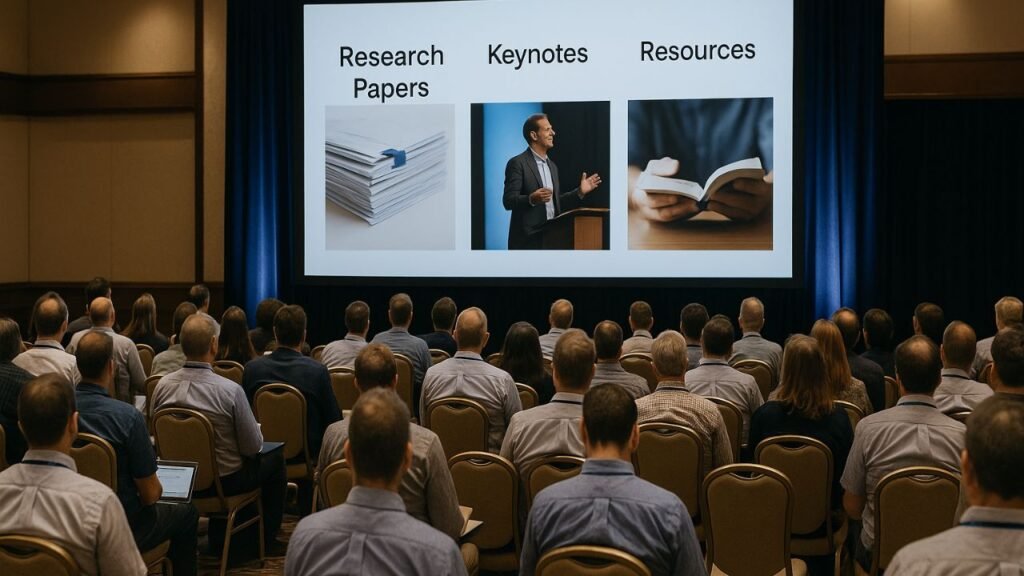

Importance of Research Papers From the Symposium
The research papers presented at the 2023 International Symposium play a pivotal role in documenting rigorous investigations on global challenges. These scholarly contributions cover subjects ranging from disaster science and sustainable energy to community resilience and technology-driven governance models. By publishing these papers, the symposium promotes knowledge-sharing among institutions, enabling students and faculty to integrate diverse perspectives into teaching and research. Access to peer-reviewed content also helps young researchers refine their methodologies and align with international standards of academic excellence. Moreover, the open availability of such work encourages cross-border collaboration, as scholars from different countries can examine findings and build upon them. Several papers emphasize the urgent need to address climate change with sustainable frameworks, aligning with global references such as the UN’s climate reports available at Intergovernmental Panel on Climate Change (IPCC). Thus, these resources extend the reach of the symposium far beyond its physical gathering, influencing global academic and policy conversations.

Insights Shared by Keynote Speakers
Keynote addresses are often the highlight of major conferences, and the 2023 International Symposium was no exception. Experts from universities, government agencies, and international organizations shared insights that captured the attention of participants. Topics ranged from disaster risk governance to innovations in sustainable technology and the role of education in building resilient societies. Such speeches provide frameworks that researchers can adapt to local contexts, making them highly relevant beyond the symposium. For instance, global leaders have emphasized the importance of evidence-based policymaking, aligning with best practices highlighted by institutions like the United Nations Climate Action platform. Keynotes also underscored the importance of interdisciplinary collaboration, urging participants to integrate perspectives from social sciences, engineering, and public policy. These thought-provoking contributions encourage participants to challenge conventional approaches and adopt more inclusive strategies that benefit communities. Having access to these keynote recordings and summaries allows academics and practitioners to revisit and apply the knowledge long after the event has concluded.

Access to Supplementary Learning Resources
Beyond formal presentations, the symposium offered supplementary resources such as recorded sessions, policy briefs, and workshop materials. These resources make the event inclusive by ensuring that those who could not attend in person still benefit from the knowledge shared. Recorded sessions provide detailed discussions on methodologies, case studies, and innovative practices that can inspire future research projects. Policy briefs, on the other hand, present condensed recommendations for decision-makers, bridging the gap between academic knowledge and practical governance. Many of these resources highlight lessons from recent international frameworks like those provided by the United Nations Office for Disaster Risk Reduction (UNDRR), which emphasize proactive strategies for resilience. By providing free and open access, the symposium strengthens the bridge between academia, policymakers, and grassroots organizations. This approach ensures that scientific findings and expert recommendations contribute not only to theoretical advancements but also to concrete actions addressing real-world challenges.
Shaping Future Collaboration and Research Directions
The availability of research outputs from the 2023 International Symposium fosters long-term collaboration across institutions, regions, and disciplines. When scholars and practitioners can access the same set of resources, it becomes easier to establish partnerships and launch joint projects that address pressing global issues. Collaborative research inspired by symposium findings is particularly crucial in areas like sustainable urban planning, climate adaptation, and risk governance. For example, the World Bank’s climate change resources show how shared knowledge can influence large-scale development strategies. Access to symposium materials also empowers early-career researchers by giving them entry points into international dialogues, thereby diversifying perspectives in the global academic community. Furthermore, the structured dissemination of outputs helps establish benchmarks for future symposia, ensuring that each event contributes meaningfully to cumulative global knowledge. In this way, the 2023 symposium not only served as a platform for discussion but also laid the foundation for collaborative research that will continue to shape sustainable development pathways.
